

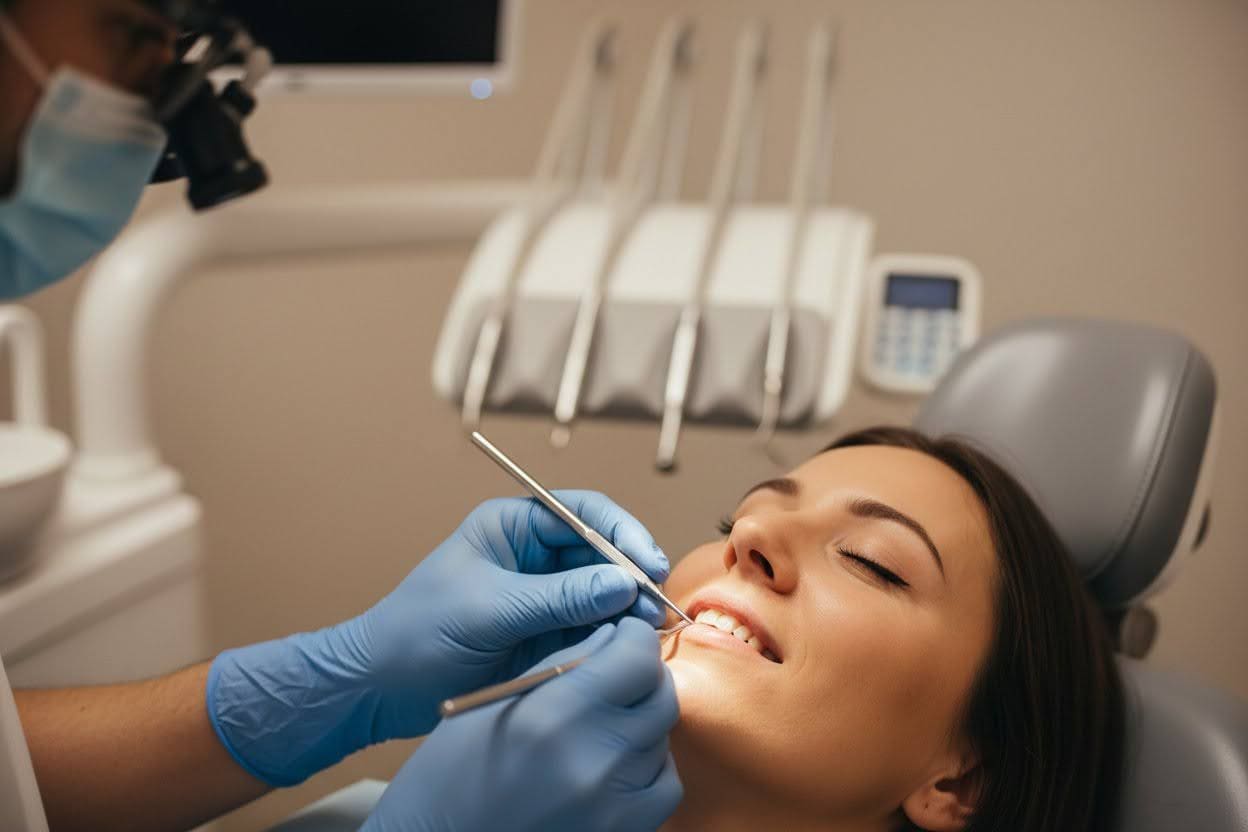
If you’re struggling with TMJ disorders, understanding how dentists address this issue can provide clarity and relief. Your journey begins with a thorough diagnosis, where your symptoms and medical history are carefully assessed. From there, dentists often recommend conservative treatment options that can greatly alleviate your pain. Curious about the specific methods employed and how they might work for you? Let’s explore the various strategies dentists use to tackle TMJ effectively.
TMJ disorders, often referred to as temporomandibular joint disorders, can considerably impact your daily life. Understanding the jaw anatomy is essential, as the temporomandibular joint connects your jawbone to your skull, allowing for important movements like chewing and speaking. When this joint becomes dysfunctional, you may experience various TMJ symptoms, including jaw pain, headaches, and difficulty opening or closing your mouth. These symptoms can stem from factors such as injury, arthritis, or muscle tension. It’s important to recognize these signs early, as they can interfere with your ability to serve others effectively. By addressing TMJ disorders promptly, you can regain comfort and functionality, allowing you to focus on your relationships and commitments without the burden of pain or discomfort.
Recognizing the signs of TMJ disorders is the first step toward effective treatment, and a detailed initial diagnosis is key to addressing these issues. When you visit your dentist, they’ll begin by discussing your TMJ symptoms, such as jaw pain, clicking sounds, or headaches. A physical examination follows, where they assess your jaw’s range of motion and tenderness. To gain deeper insights, your dentist may recommend diagnostic imaging, like X-rays or MRIs, to visualize the joint’s structure and identify any underlying problems. This extensive approach guarantees that you receive an accurate diagnosis, enabling your dental professional to create a tailored treatment plan that serves your unique needs. Understanding your condition lays the groundwork for effective solutions.
When experiencing discomfort from TMJ disorders, exploring conservative treatment options can provide considerable relief. One effective approach is using custom mouth guards, which help prevent teeth grinding and reduce strain on your jaw. These devices can be tailored to fit your mouth perfectly, ensuring comfort and effectiveness. Additionally, incorporating stress management techniques into your daily routine can alleviate tension that contributes to TMJ issues. Practices like mindfulness, deep breathing exercises, or yoga can help you manage stress levels and promote relaxation. By combining mouth guards with these stress management strategies, you can considerably enhance your comfort and improve your overall quality of life. Always consult your dentist to determine the best options for your specific situation.
Physical therapy can play an essential role in alleviating the symptoms of TMJ disorders, as it focuses on restoring function and reducing pain through targeted exercises and techniques. By engaging in specific exercise routines, you can strengthen the muscles around your jaw, improve flexibility, and enhance overall jaw function. Your physical therapist will guide you through various stretching and strengthening exercises tailored to your needs, promoting effective pain management. Additionally, they may incorporate modalities like heat or cold therapy to further relieve discomfort. Committing to these exercises not only helps with immediate symptom relief but can also lead to long-term benefits, improving your quality of life and ability to perform daily activities without pain.
While many patients find relief through basic therapies, advanced treatment techniques for TMJ disorders can offer more targeted solutions for those with persistent symptoms. Surgical interventions, such as arthroscopy or open joint surgery, can effectively address structural issues if conservative treatments fail. These procedures allow dentists to remove damaged tissue or reposition the jaw. Additionally, customized dental appliances, like splints or night guards, help stabilize the jaw and alleviate pressure on the temporomandibular joint. These devices can considerably reduce pain and improve function by correcting bite alignment. Working closely with your dentist, you can determine which advanced options suit your unique needs. These targeted treatments can lead to long-lasting relief and improved quality of life for those suffering from TMJ disorders.
Incorporating lifestyle changes can greatly enhance your management of TMJ disorders, as these adjustments often help reduce stress and tension in the jaw. Start with diet modifications; limit hard, chewy foods that strain your jaw muscles. Opt for softer options like smoothies and cooked vegetables. Additionally, practice stress management techniques, such as mindfulness, yoga, or deep-breathing exercises. These methods can help you unwind and alleviate muscle tension. Regular physical activity also plays an essential role; it not only reduces stress but promotes overall well-being. Make sure to maintain proper posture, especially when sitting for long periods, to minimize strain on your jaw. By making these adjustments, you’re taking proactive steps toward a more comfortable life with TMJ.
Yes, TMJ disorders can cause headaches and ear pain. These TMJ symptoms often act as headache triggers. Exploring treatment options like physical therapy or custom splints can help alleviate discomfort and improve your quality of life.
Treatment duration for TMJ typically ranges from a few weeks to several months, depending on severity. You’ll see improvements during this recovery timeline, but ongoing management may be necessary for long-term relief and comfort.
You should avoid hard, chewy, or sticky foods with TMJ. Instead, focus on soft foods and practice gentle chewing techniques to minimize strain on your jaw, promoting healing and reducing discomfort during meals.
TMJ treatment options often depend on your insurance coverage. Some policies cover treatments like splints or physical therapy, while others may not. It’s best to check your plan for specific details regarding coverage.
Yes, stress can worsen TMJ symptoms. By incorporating stress management and relaxation techniques into your routine, you can greatly reduce tension in your jaw, improving comfort and overall well-being while serving others more effectively.


